Header Logo

Privately Owned & Operated
What Does a Screwworm Infestation Look Like in Dogs and Cats?

A small wound on your dog or cat might not seem alarming at first, especially if your furry friend is still acting normally. However, certain wounds warrant closer attention, particularly as awareness grows of the screwworm infestation and its risks to dogs and cats. At Fairfield Animal Hospital, your Cypress, TX veterinary clinic, pet owners are increasingly asking how to recognize a screwworm infestation and what warning signs require immediate veterinary care. Knowing what to look for can make a significant difference in protecting your pet’s health.
Recent concerns about New World screwworm in pets have prompted many families to learn more about this unwelcome parasite. Unlike ordinary fly larvae, screwworms feed on living tissue. Infestations are aggressive and can spread quickly. This makes infestations potentially serious if left untreated. Understanding the appearance of infected pet wounds, recognizing common pet parasite warning signs, and knowing when screwworm treatment for pets may be necessary can help you respond quickly if a concern develops.
What Is a Screwworm Infestation?
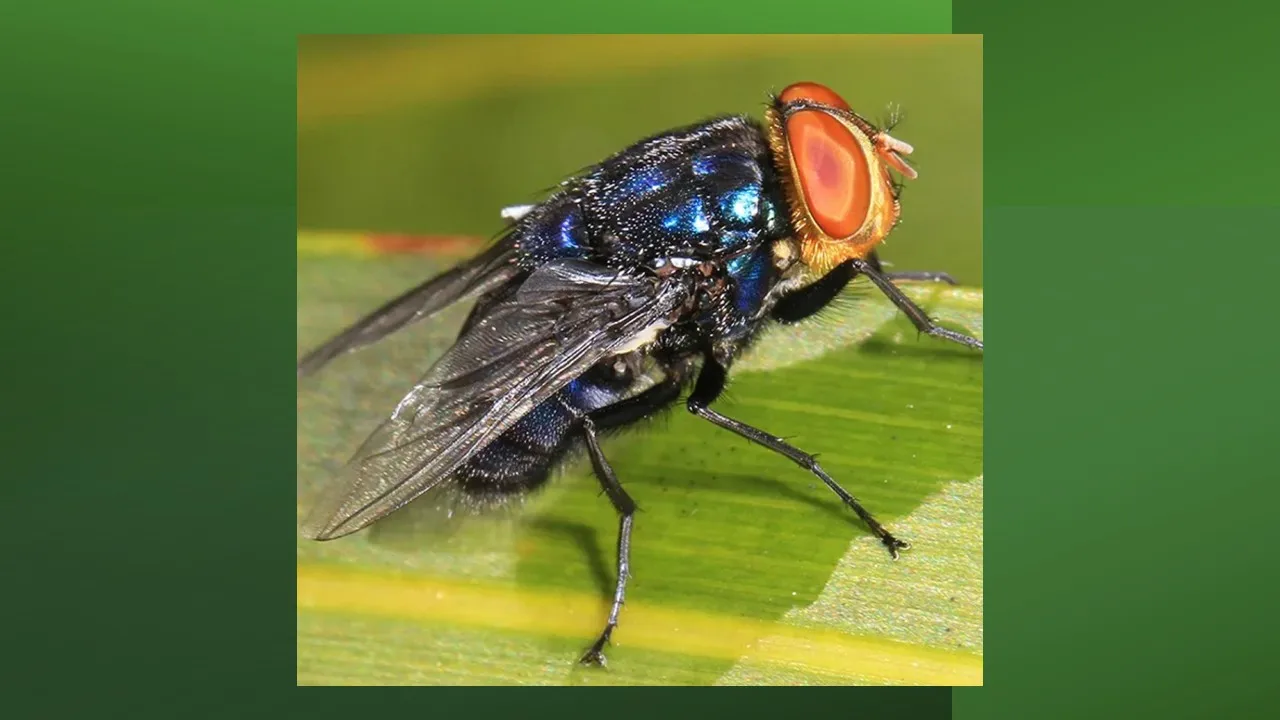
A screwworm infestation occurs when larvae from the New World screwworm fly hatch within a wound or vulnerable area on an animal.
The adult female fly seeks out openings in the skin where she deposits eggs. Once those eggs hatch, the larvae begin feeding on healthy, living tissue. This behavior is what makes screwworms very different from common maggots that typically feed on dead tissue.
As the larvae grow, they continue burrowing deeper into the affected area, causing the wound to become larger and more severe.
Understanding how the infestation develops helps explain why early recognition is so important.
What Does a Screwworm Infestation Look Like?
One of the most common questions pet owners ask is whether they would recognize a screwworm infestation if they saw one.
The answer depends on how early the infestation is discovered.
In the earliest stages, the wound may simply look irritated or fail to heal normally. As the infestation progresses, the appearance often becomes more distinctive.
Several signs may suggest a problem that requires immediate veterinary attention. Seeing live worms is, of course, a giveaway and a sign that the pet needs immediate emergency care.
A Wound That Appears to Be Getting Worse
Normal wounds typically improve over time.
A small cut, scrape, or surgical incision should gradually heal as new tissue forms. With a screwworm infestation, the opposite often occurs.
Warning Signs of an Abnormal Wound
You may notice:
- Increasing redness
- Expanding wound size
- Persistent drainage
- Swelling
- Delayed healing
Instead of improving, the area becomes progressively more damaged.
When wounds continue worsening despite basic care, veterinary evaluation becomes especially important.
Visible Holes or Tissue Damage
As larvae feed on living tissue, wounds often appear deeper.
Some owners describe the affected area as looking unusually open or excavated compared to a typical injury.
The wound may appear:
- Larger than expected
- Deeper than expected
- Irregularly shaped
- More inflamed over time
Because tissue destruction continues as larvae feed, these wounds often change noticeably over a relatively short period.
Foul-Smelling Discharge
Odor is another important clue.
Many infected pet wounds develop some degree of odor, but screwworm infestations often create particularly unpleasant smells due to tissue damage and secondary bacterial involvement.
When Odor Becomes a Red Flag
A wound that suddenly develops a strong odor deserves immediate attention.
You may notice:
- A sour smell
- A decaying smell
- Strong drainage odor
- Persistent unpleasant odor despite cleaning
Changes in odor frequently indicate that a wound is not healing normally.
A veterinarian should examine any foul-smelling wound.
Excessive Licking or Chewing
Dogs and cats instinctively focus attention on painful or irritating areas.
Because screwworm infestations cause significant irritation, affected pets often become preoccupied with the wound.
Behavioral Changes to Watch For
Common behaviors include:
- Persistent licking
- Repeated chewing
- Excessive grooming
- Scratching
- Rubbing against furniture
These behaviors may be among the earliest warning signs of pet parasites that owners notice.
If your furry friend suddenly becomes obsessed with one area of the body, a closer inspection is worthwhile.
Visible Larvae in the Wound
As unpleasant as it sounds, one of the clearest signs of a screwworm infestation is the presence of visible larvae.
Not every owner will see them immediately, especially if the wound is hidden beneath fur. However, as the infestation progresses, the larvae may become easier to observe.
What Do Screwworm Larvae Look Like?
The larvae often appear:
- Cream-colored
- Cylindrical
- Worm-like
- Clustered together
Unlike parasites that remain on the skin surface, screwworm larvae are typically embedded within the wound itself.
If you see larvae in any wound, seek veterinary care immediately.
Do not attempt to remove them yourself without professional guidance.
Pain and Sensitivity Around the Wound
Pain is another common indicator.
Affected pets may react when the area is touched or examined.
Signs of discomfort may include:
- Flinching
- Vocalization
- Avoiding contact
- Protecting the area
- Irritability
Pain often increases as tissue damage progresses.
Because animals naturally hide discomfort, even subtle changes deserve attention.
Swelling Around the Affected Area
Inflammation frequently accompanies screwworm infestations.
The body’s response to tissue injury often creates noticeable swelling around the wound.
This swelling may occur alongside:
- Redness
- Warmth
- Discharge
- Pain
As the infestation grows, swelling may become more pronounced.
Prompt veterinary assessment helps determine the cause and severity.
Common Locations for Screwworm Infestations
Not every area of the body faces equal risk.
The adult fly seeks locations where eggs can be deposited successfully.
Areas Frequently Affected
Potential sites include:
- Cuts and scrapes
- Surgical incisions
- Bite wounds
- Hot spots
- Ear injuries
- Tick bite sites
- Skin infections
Any break in the skin may create an opportunity for infestation.
Routine inspections can help identify concerns before they worsen.
Do Dogs and Cats Look Different When They Have Screwworms?
The overall signs are similar, but there can be differences in how dogs and cats respond.
Dogs
Dogs often draw attention to affected areas through:
- Licking
- Chewing
- Scratching
- Visible discomfort
Because many dogs tolerate handling, owners may identify wounds earlier.
Cats
Cats are often more subtle.
Your feline friend may:
- Hide more frequently
- Groom excessively
- Become less social
- Show reduced appetite
Long-haired cats may also hide wounds beneath thick coats, making regular inspections especially valuable.
How Quickly Can Symptoms Progress?
One of the reasons New World screwworm in pets is taken so seriously is the speed at which infestations can worsen.
The larvae continue feeding and growing while inside the wound.
What begins as a relatively small injury may become significantly larger within a short period of time.
The progression varies depending on factors such as:
- Wound location
- Number of larvae
- Overall health
- Timing of treatment
The sooner veterinary care begins, the better.
How Veterinarians Confirm a Screwworm Infestation
Diagnosis usually begins with a thorough physical examination.
Veterinarians evaluate:
- Wound appearance
- Tissue condition
- Presence of larvae
- Overall health status
When larvae are present, identification may be necessary to determine whether New World screwworm is involved.
This process helps guide treatment recommendations and, when applicable, reporting requirements.
What Does Screwworm Treatment for Pets Involve?
If a screwworm infestation is confirmed or suspected, treatment focuses on removing the larvae and addressing tissue damage.
Common Components of Treatment
Screwworm treatment for pets may include:
- Larval removal
- Wound cleaning
- Pain management
- Treatment of secondary infections
- Follow-up monitoring
The exact treatment plan depends on the severity of the infestation and the extent of tissue involvement.
Early treatment often reduces complications and supports healing.
How Can You Help Protect Your Pet?
Fortunately, there are several practical steps pet owners can take.
Inspect Your Pet Regularly
Routine skin checks are one of the most effective prevention strategies.
Look for:
- Cuts
- Scratches
- Swelling
- Hot spots
- Areas of irritation
Finding wounds early allows for prompt attention.
Monitor Surgical Sites Carefully
Pets recovering from procedures require additional observation.
Follow all post-operative instructions and contact your veterinarian if a wound appears abnormal.
Address Skin Problems Promptly
Allergies, infections, and chronic skin irritation can create opportunities for complications.
Managing these conditions supports both comfort and overall health.
Texas Public Radio is tracking the screwworm infestation in Texas. WKVU is also monitoring the screwworm infestation. Agrilife Today is also hosting some public awareness events about the screwworm. The AAHA also has some educational articles about how the screwworm endangers pets.
FAQ
What are the most common screwworm symptoms in dogs and cats?
Common symptoms include enlarging wounds, foul-smelling discharge, swelling, excessive licking, pain, tissue damage, and visible larvae within the wound.
What do screwworm larvae look like?
Screwworm larvae are cream-colored, worm-like larvae that may be visible within a wound. They feed on living tissue and often appear clustered together.
Can a screwworm infestation start in a small wound?
Yes. Even minor cuts, scrapes, hot spots, surgical incisions, and skin irritations can provide opportunities for infestation.
How quickly can a screwworm infestation become serious?
Screwworm infestations can worsen rapidly because the larvae continue feeding on living tissue. Prompt veterinary care is recommended whenever an infestation is suspected.
What should I do if I see larvae in my pet’s wound?
Contact a veterinarian immediately. Do not delay treatment, as tissue damage can progress quickly.
Schedule an Appointment at Our Cypress, TX Veterinary Clinic
Recognizing screwworm symptoms in dogs and cats early may help reduce complications and support faster treatment. At Fairfield Animal Hospital, your Cypress, TX animal hospital, veterinary teams are available to evaluate unusual wounds, discuss New World screwworm in pets, and provide guidance regarding infected pet wounds, pet parasite warning signs, and screwworm treatment for pets. If you’ve been searching for a vet near you and have concerns about a wound that isn’t healing properly, schedule an appointment with a veterinarian as soon as possible.
This blog is intended for informational purposes only. Always consult your veterinarian for medical advice, diagnosis, and treatment recommendations specific to your pet. Follow your veterinarian’s guidance regarding wound care, parasite prevention, and overall health management.
To learn more about our Cypress, TX veterinary clinic, stop by our Services page. We offer a full range of veterinary care services, from Wellness and Vaccinations to Critical Care, and more.
What Does a Screwworm Infestation Look Like in Dogs and Cats?

Senior Pet Care Tips for Dogs in Cy-Fair, TX
Guinea Pig Care Guide for First-Time Owners

Why Dogs Eat Grass and When It’s a Problem
Flea and Tick Prevention Every Texas Pet Needs
How to Keep Senior Cats Comfortable at Home

What Critical Care Means for Pets in Cy-fair, TX
Keeping Pets Safe While Swimming in Texas

Why Dogs Dig and How to Stop It for Good