Header Logo

Privately Owned & Operated
Keeping Pets Safe While Swimming in Texas

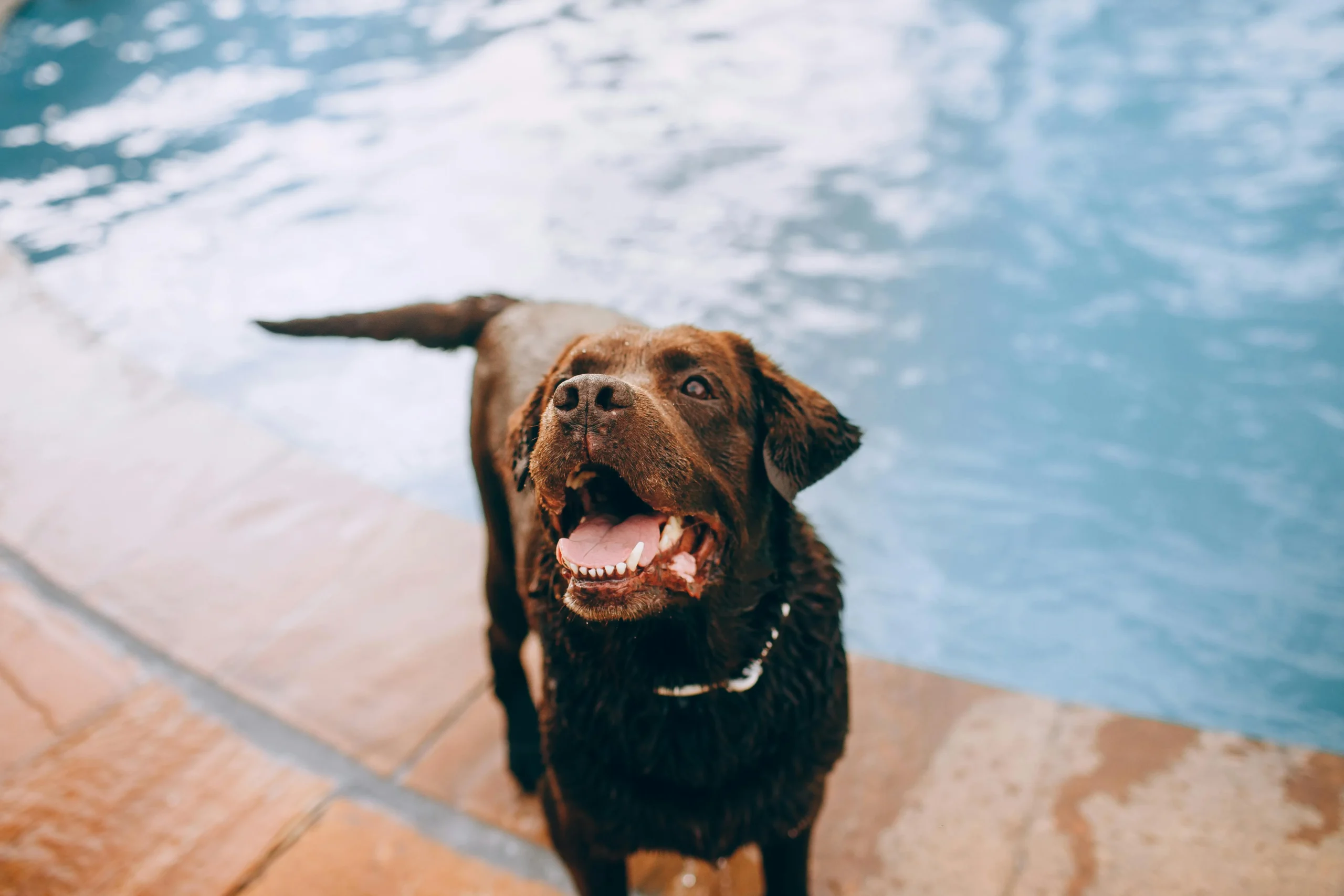
Planning a day by the water with your furry friend sounds like the perfect way to beat the Texas heat—but is your pet truly prepared? At Fairfield Animal Hospital, your trusted veterinary clinic in Cy-fair, TX, we often talk with pet owners about pet swimming safety and how quickly a fun outing can turn risky without the right precautions.
Understanding water safety for pets Texas families need is especially important during hot months. Whether you are bringing Fido to the lake or wondering if cats can swim safely, following smart dog swimming safety tips and seasonal guidance helps protect your pet while supporting overall summer pet safety Texas pet owners rely on.
Why Pet Swimming Safety Matters in Texas
Texas heat makes water activities appealing, but it also increases risks for pets. High temperatures, strong sun exposure, and unfamiliar water environments can create dangerous situations.
At Fairfield Animal Hospital in Cy-fair, TX, we often remind pet owners that pet swimming safety is about more than just supervision. It includes preparation, awareness, and understanding your pet’s limits.
Even strong swimmers can become tired, overheated, or disoriented without warning.
Do All Dogs Know How to Swim?
Many people assume that all dogs are natural swimmers, but that is not always the case. While some breeds take to water easily, others may struggle.
Dogs That May Need Extra Support
Some pups are less suited for swimming due to body structure or coat type. Your canine companion may need extra care if they:
- Tire quickly
- Have a heavier body shape
- Are unfamiliar with water
Introducing water gradually helps build confidence and supports dog swimming safety tips that keep your pet secure.
Teaching Your Dog to Swim Safely
Start in shallow, calm water and stay close to your dog. Encouragement and patience go a long way in helping your pup feel comfortable.
Never force your dog into the water, as this can create fear and increase risk.
Can Cats Swim Safely?
The question of whether cats can swim safely comes up often, especially during summer months. While many cats can swim, most prefer to stay dry.
Why Cats Avoid Water
Your feline friend may avoid water because it feels unfamiliar or uncomfortable. Wet fur can weigh them down and reduce mobility.
When Cats Are Near Water
If your kitty is near a pool, lake, or other water source, supervision is important. Even curious cats can slip or fall in unexpectedly.
Providing safe escape routes helps reduce risk.
Dog Swimming Safety Tips Every Owner Should Know
Following basic dog swimming safety tips can help protect your pet while they enjoy the water.
Use a Pet Life Vest
A properly fitted life vest provides extra support, especially for dogs who are new to swimming or tire easily.
Watch for Fatigue
Even energetic dogs can become tired quickly. Keep swim sessions short and allow time for rest.
Rinse After Swimming
Rinsing your dog after swimming helps remove debris and keeps their skin and coat healthy.
Avoid Strong Currents
Lakes, rivers, and beaches may have currents that are difficult for your dog to navigate. Calm water is always the safest option.
Water Safety for Pets Texas Owners Should Follow
Practicing water safety for pets Texas environments require means being aware of unique local risks.
Heat and Sun Exposure
High temperatures increase the risk of overheating. Provide shade and fresh water to keep your pet cool.
Water Quality Concerns
Not all water is safe for pets. Standing water or certain natural bodies of water may contain harmful substances.
Slippery Surfaces
Pool decks and docks can be slippery, increasing the risk of injury. Helping your pet enter and exit safely is important.
Summer Pet Safety Texas Water Risks
Combining water activities with heat exposure can increase risks. Following summer pet safety Texas guidelines helps protect your pet from multiple hazards.
Avoid Peak Heat Hours
Swimming during cooler parts of the day reduces the risk of overheating. Early mornings and evenings are ideal.
Monitor Hydration
Even when swimming, pets can become dehydrated. Always provide fresh drinking water nearby.
Watch for Signs of Stress
Your furry pal may show signs of discomfort such as heavy panting, restlessness, or reluctance to continue swimming.
Signs Your Pet May Be in Trouble in the Water
Recognizing distress early is a key part of pet swimming safety.
Watch for:
- Struggling to stay afloat
- Sudden fatigue
- Unusual movements
- Panic or disorientation
If you notice any of these signs, remove your pet from the water immediately and contact a veterinarian in Cy-fair, TX if concerns persist.
Keeping Swimming Safe and Enjoyable
Water activities can be a great way to exercise and bond with your pet. Taking a few precautions ensures the experience stays positive.
Focus on:
- Supervision at all times
- Gradual introduction to water
- Providing rest and hydration
- Choosing safe swimming locations
These steps help your canine companion or feline friend enjoy the water safely.
When to Contact a Veterinarian in Cy-fair, TX
If your pet shows signs of distress, illness, or injury after swimming, it is important to seek professional guidance.
Contact your veterinary clinic if:
- Your pet appears weak or disoriented
- There are changes in behavior after swimming
- You suspect exposure to unsafe water
- Symptoms do not improve
At Fairfield Animal Hospital, we are here to support your pet’s health during every season.
Chewy wrote about keeping Fido safe at the pool: click here for that piece. If Fido can’t swim, it may be in your best interest to teach him. While some pups take to water like furry, barking ducks, others need coaching. You can find a helpful article on this on the PetMD website here.
FAQ: Pet Swimming Safety
Is swimming safe for all dogs?
Not all dogs are natural swimmers. Some may need supervision and support, especially when first introduced to water.
Can cats swim safely if needed?
Yes, cats can swim, but most prefer to avoid water. Supervision is important to prevent accidents.
What are basic dog swimming safety tips?
Basic dog swimming safety tips include using a life vest, monitoring fatigue, and choosing calm water environments.
How can I keep my pet safe around water in Texas?
Following water safety for pets Texas guidelines, such as avoiding heat and monitoring conditions, helps reduce risk.
What are signs of trouble while swimming?
Signs include struggling, fatigue, or panic. Immediate action is important to keep your pet safe.
Schedule a Visit at Our Cy-fair, TX Veterinary Clinic
Practicing pet swimming safety helps your furry friend enjoy water activities while staying protected. At Fairfield Animal Hospital, your trusted veterinary clinic in Cy-fair, TX, we are here to help you navigate seasonal safety and keep your pet healthy.
If you have been searching for a “vet near me,” our team is ready to help. Schedule an appointment today to learn more about summer pet safety Texas pet owners can rely on for safe and fun outdoor experiences.
This blog is intended for informational purposes only. Always consult with your veterinarian for the right medical advice, diagnosis, or treatment plan for your pet.
Do you want to find out more about our Cy-fair, TX pet clinic? Stop by our Services page. We also offer critical care. Contact us today to learn more!

What Does a Screwworm Infestation Look Like in Dogs and Cats?

Senior Pet Care Tips for Dogs in Cy-Fair, TX

Guinea Pig Care Guide for First-Time Owners

Why Dogs Eat Grass and When It’s a Problem

Flea and Tick Prevention Every Texas Pet Needs

How to Keep Senior Cats Comfortable at Home

What Critical Care Means for Pets in Cy-fair, TX
Keeping Pets Safe While Swimming in Texas

Why Dogs Dig and How to Stop It for Good